How to Improve Articulation After a Brain Injury
Improving articulation after a brain injury can feel slow, and many people worry about how speech changes during everyday conversations. The brain can build new pathways through steady practice, which gives you a way to regain clearer sounds and smoother speech patterns.
By the end of this article, you will see practical steps backed by clinical experience that show how targeted exercises, simple routines, and guided support from a speech therapist can strengthen the skills you use to communicate each day.
Key Takeaways
Consistent practice improves articulation because the brain forms stronger pathways through repeated speech movements. Short daily exercises often make the biggest difference.
A speech-language pathologist guides strategies that match your exact needs. These steps help improve breath support, muscle control, and accuracy of speech production.
Cognitive communication skills shape how clearly a person communicates after a brain injury. Addressing memory, attention, and executive functioning improves functional communication.
Family members can support progress by practicing safe, simple exercises at home. Small routines help strengthen lost skills over time.
How a Brain Injury Affects Speech and Language Skills
Exercises to Improve Speech Production After a Brain Injury
Cognitive Communication Skills That Improve Speech After a Brain Injury
Strategies to Improve Daily Communication Skills After a Brain Injury
Working With a Speech Therapist to Regain Speech After a Brain Injury
Frequently Asked Questions About How to Improve Articulation After a Brain Injury
How a Brain Injury Affects Speech and Language Skills
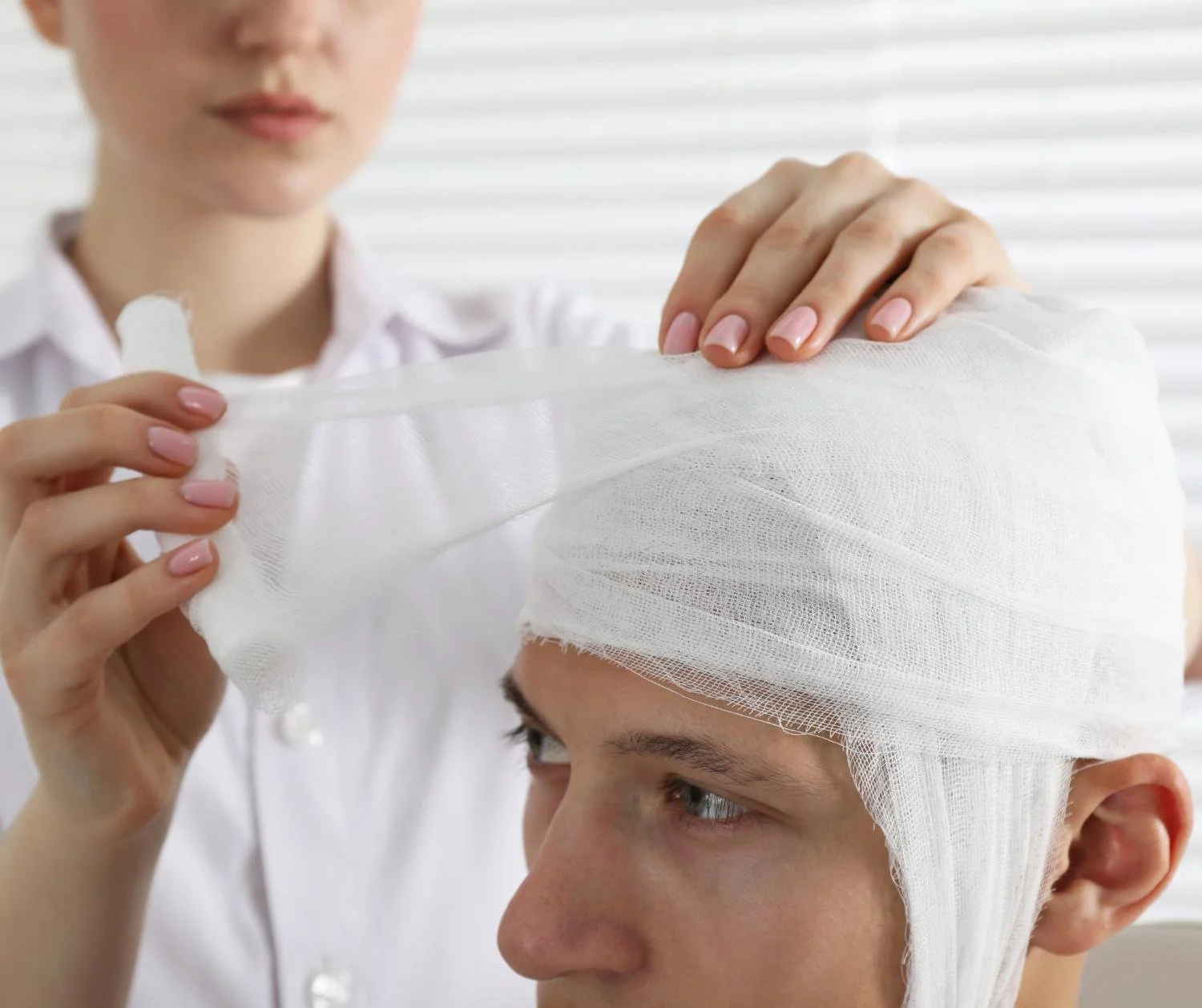
A brain injury affects articulation because the areas of the brain responsible for speech movements may slow down or send signals less clearly.
Traumatic brain injury often changes how the muscles and nerves control the mouth, tongue, and breath. This leads to slurred speech, weakened muscles, and difficulty forming certain words during daily tasks.
Speech and Language Disorders Linked to a Brain Injury
A traumatic brain injury can lead to speech and language disorders like dysarthria, apraxia, and expressive or receptive language problems.
Dysarthria occurs when oral muscles grow weak or lose coordination, which changes the clarity of producing speech. Apraxia affects the brain pathways that guide speech movements, so a person may know the right words but struggle to say them.
Cognitive Communication Difficulties That Affect Articulation
Cognitive communication difficulties change how a person processes language, manages attention, and organizes ideas. Many brain injury patients show difficulty finding words, organizing thoughts, or reading social cues in conversations. These changes slow down speech production and limit communication skills.
Exercises to Improve Speech Production After a Brain Injury

Speech therapy after a traumatic brain injury (TBI) focuses on rebuilding coordination, timing, and accurate movement patterns for speech. Current research shows that speech improves most when people practice the specific movements used in real speaking tasks. A speech-language pathologist designs exercises to help the brain relearn these motor patterns in a functional and meaningful way.
Tongue Placement and Movement for Clearer Speech
The tongue plays a major role in producing accurate consonant and vowel sounds. After a TBI, some people have difficulty controlling tongue placement, which affects articulation. Therapy focuses on speech-based work such as:
• Finding the correct tongue position for sounds like L, T, D, S, and R
• Coordinating movements as sounds blend together in words
• Practicing real words and phrases to build precision and automaticity
These activities help rebuild the movement patterns needed for clearer, more intelligible speech.
Breath Support for Smoother and More Controlled Speech
Breath support influences loudness, smoothness, and pacing. A speech-language pathologist may guide exercises that connect breathing directly to speech.
Examples include practicing short phrases on a single breath, using controlled counting, or reading aloud to build consistent airflow. The focus is on coordinating breath with speech so that speech becomes clearer and steadier.
Using Facial Expression to Support Communication
Facial expression contributes to meaning and helps listeners follow the message even when speech is difficult. Speech therapy may include practicing natural facial movements while speaking, coordinating lip movements that support sounds like P, B, and M, and using gestures or facial cues to support understanding in conversation. These strategies help people communicate more effectively while continuing to rebuild speech skills.
Cognitive Communication Skills That Improve Speech After a Brain Injury

How Attention and Memory Affect Speech and Language
Attention and memory influence how clearly you form sentences and keep track of words during conversations. A brain injury often changes these skills, making daily communication more difficult. Short tasks that use sorting, listening, or simple planning help strengthen these exact skills.
Executive Functioning Skills That Support Speech
Executive functioning affects problem-solving, planning, and shifting between ideas. Many brain injury patients need added support in these areas because these systems shape the flow of speech and language. When these areas grow stronger, you speak with clearer thoughts, smoother pacing, and stronger communication.
Cognitive Communication Exercises That Improve Spoken Language
A speech pathologist may use picture naming, sentence building, or category tasks to strengthen cognitive communication skills. These steps help activate language centers that support forming sentences. Adaptive changes in these areas help improve functional communication during daily life.

TBI Speech Therapy
Check out our blog on TBI Speech Therapy for more information.
Strategies to Improve Daily Communication Skills After a Brain Injury

Compensatory Strategies for Speech Difficulties
Compensatory strategies help you communicate effectively even when speech difficulties remain. Pausing between ideas, slowing down, or grouping words into shorter chunks improves your patient’s ability to express thoughts clearly. These steps also help reduce frustration during daily communication.
Improving Social Skills After a Brain Injury
Social skills often change after a brain injury because communication difficulties affect timing, tone, and social cues. Short practice sessions with a speech therapist help rebuild these lost skills and support functional communication. Practicing small conversations with family members also strengthens real-world communication.
Using Repetition to Strengthen Brain Pathways
Consistent repetition strengthens brain pathways that support articulation. The brain adapts each time you repeat a targeted exercise or short phrase. Small amounts of practice done often help improve speech during TBI recovery.
Finding the Right Words and Forming Clear Sentences
Difficulty finding the right words often appears after traumatic brain injury TBI. Word retrieval tasks help rebuild brain pathways that support language. Practicing short phrases improves the ability to form sentences in daily conversations.
Working With a Speech Therapist to Regain Speech After a Brain Injury

How a Thorough Evaluation Guides Speech Therapy
A thorough evaluation from an experienced speech therapist identifies speech and language skills that need support. This testing shows which muscle groups need strengthening, which brain pathways need practice, and which communication skills require improvement. The results help create a personalized approach to improve speech.
How Language Therapy and Speech Therapy Work Together
Language therapy improves language skills, and speech therapy strengthens articulation. A speech-language pathologist may combine both approaches for brain injury patients who need support in multiple areas. This combination helps improve communication difficulties that appear in daily tasks.
Setting Goals to Regain Speech After a Brain Injury
Clear goals help patients regain speech because each goal focuses on exact skills. Tracking progress helps you recognize small gains that build confidence. These steps also support targeted exercises during recovery.
Frequently Asked Questions About How to Improve Articulation After a Brain Injury
1. How long does it take to improve articulation after a brain injury?
Improvement depends on the type of brain injury and the strength of your speech muscles. Some patients notice early changes after several weeks of steady practice.
More complex speech and language disorders require longer support and consistent repetition. A speech-language pathologist can help guide progress at each stage.
2. What causes slurred speech after a brain injury?
Slurred speech occurs when oral muscles weaken or lose coordination after a brain injury. This weakness affects breath support, tongue movements, and lip control.
Many patients also show changes in the dominant hemisphere that manages speech and language. Speech therapy strengthens these areas and supports clearer communication.
3. Can cognitive deficits affect articulation?
Cognitive deficits impact articulation because attention, memory, and planning influence speech movements. When these systems slow down, forming sentences becomes harder.
Many patients also experience difficulty finding words or keeping pace in conversations. Strengthening cognitive communication skills helps improve speech clarity.
4. Can a speech therapist help someone regain speech after a traumatic brain injury?
A speech therapist helps patients regain speech through targeted exercises and guided practice. These sessions strengthen speech muscles, support language skills, and improve cognitive communication.
Patients also learn compensatory strategies that help them communicate effectively during daily tasks. This support helps build confidence during the recovery process.
How Connected Speech Pathology Can Help

At Connected Speech Pathology, we provide online speech therapy for people recovering from traumatic brain injury.
Our speech therapists guide targeted exercises that strengthen articulation, support muscle control, and improve speech and language skills. We use a personalized approach so you can practice the exact skills needed to communicate effectively in daily life.
We help patients improve cognitive communication skills that affect speech production. We also guide strategies that support problem-solving, forming sentences, and daily communication. Our online model helps you stay consistent during your recovery process.
Summary
Improving articulation after a brain injury takes steady routines, patient steps, and support from trained professionals. The brain strengthens through repetition, which helps build new patterns for speech movements.
Simple exercises and cognitive support help you communicate with more confidence. Many people see progress when they practice often and stay motivated.

About the Author
Allison Geller is a communication coach, speech-language pathologist, and founder of Connected Speech Pathology, an international online practice providing professional communication coaching and speech therapy for children, teens, and adults. With more than two decades of experience, she has worked in medical and educational settings, published research on aphasia, and leads a team of specialists helping clients improve skills in public speaking, vocal presence, accent clarity, articulation, language, fluency, and interpersonal communication.